
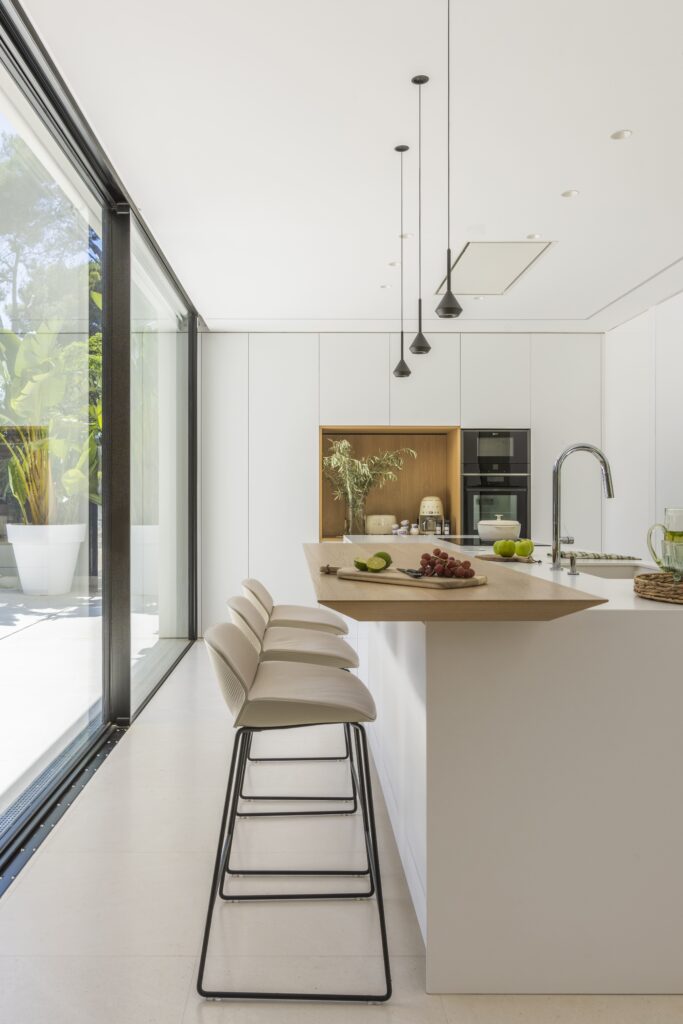
White kitchens have not disappeared, but they are no longer the automatic answer for every type of home. After decades of being associated with cleanliness, brightness and being a safe aesthetic choice, a certain fatigue is beginning to set in with entirely white, sleek and minimalist kitchens, especially when they lack texture, contrast or identity.
The problem isn’t white, but how it’s used
That does not mean a white kitchen is no longer a valid choice. When well designed, with quality materials and carefully considered proportions, it can remain a timeless option. The problem arises when white is treated as a foolproof formula, without considering the architecture of the home, the natural light or the personality of those who live there. In such cases, the result may appear correct, but also predictable and impersonal.
So, is it still a safe investment? Yes, although it is no longer the only option, nor always the most interesting one. White continues to work particularly well in small kitchens, in spaces with limited natural light or when the aim is to enhance the sense of spaciousness. However, its use is evolving towards warmer, more nuanced schemes.
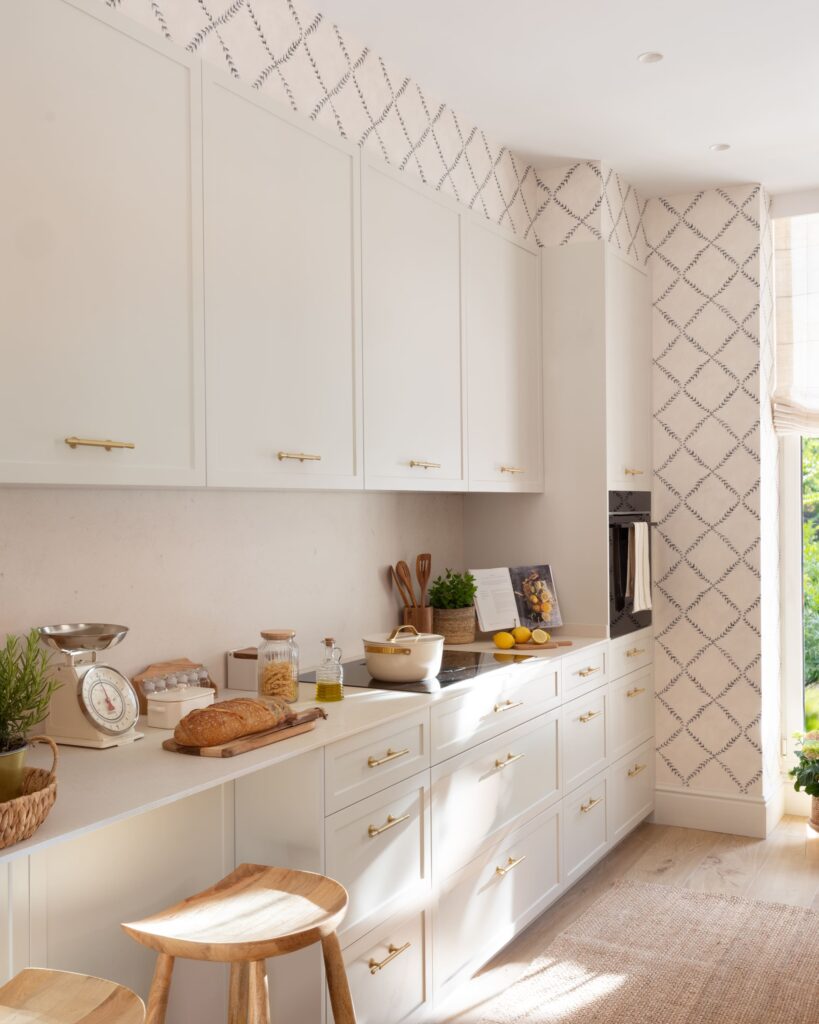
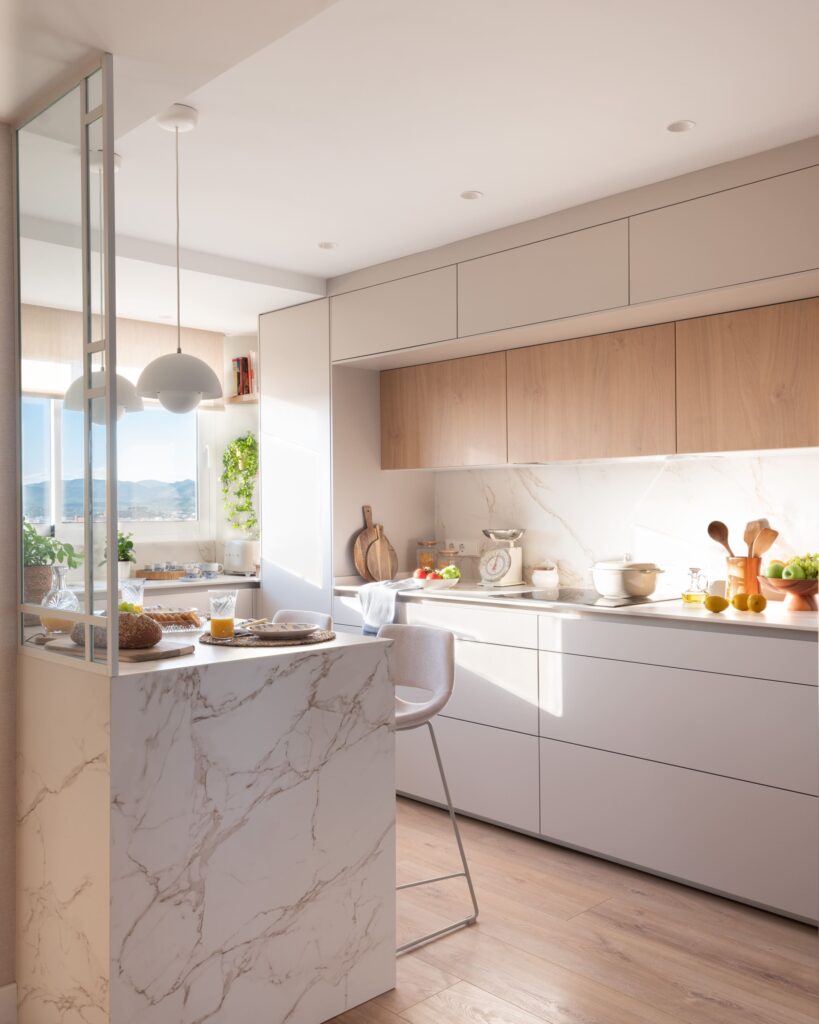
Pure, glossy whites are giving way to off-whites, stone, or sand tones. These colours retain brightness while avoiding the overly cold, clinical appearance that has characterised many minimalist kitchens in recent years.
More materiality, texture and personality
The new luxury in kitchen design is moving away from overly neutral spaces and towards greater material richness. This does not necessarily mean using bold finishes, but rather combining fine materials, natural textures and bespoke solutions.
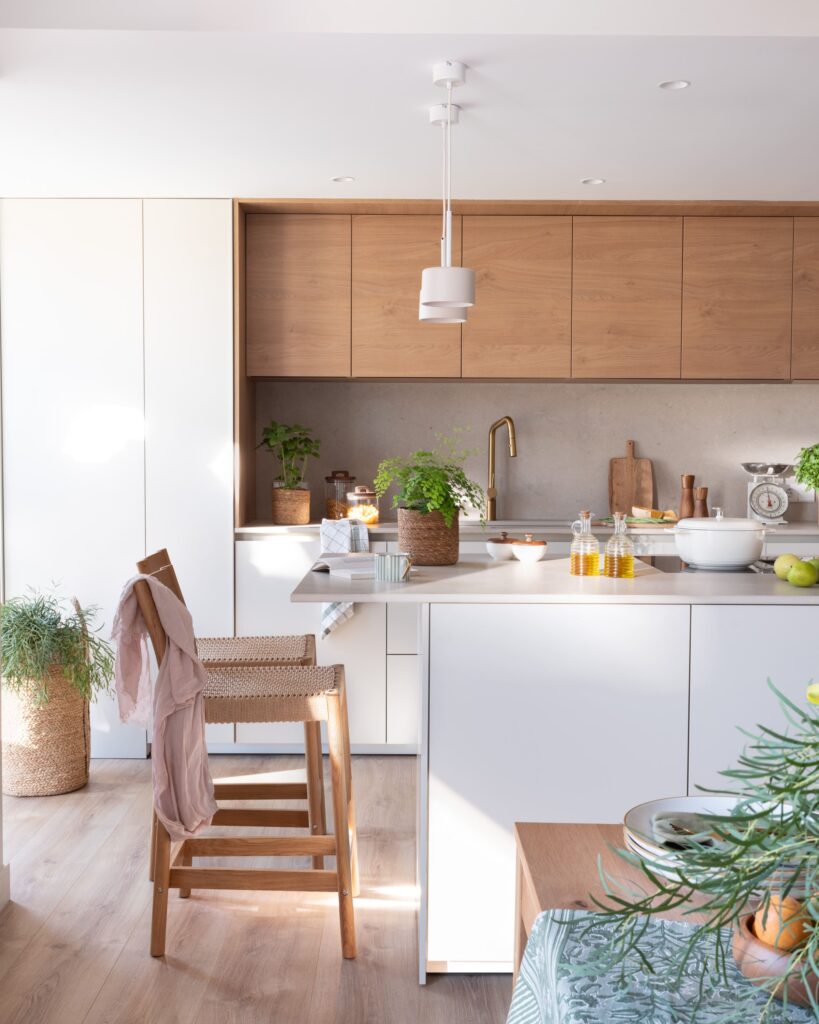
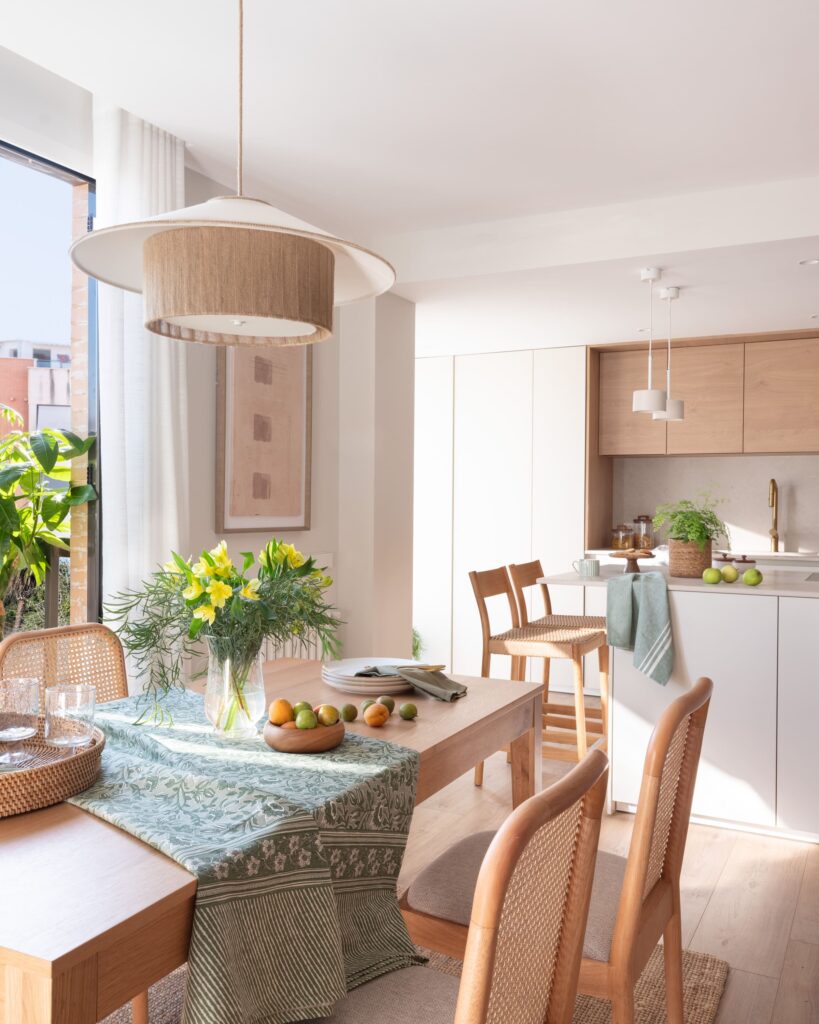
Our current projects increasingly incorporate wood, particularly natural oak in mid-tones with visible grain. It can be used throughout the kitchen or introduced selectively in tall units, islands, display cabinets or occasional furniture. Its presence adds depth and makes the space feel warmer and more connected to the rest of the home.
Calm colours and materials with depth
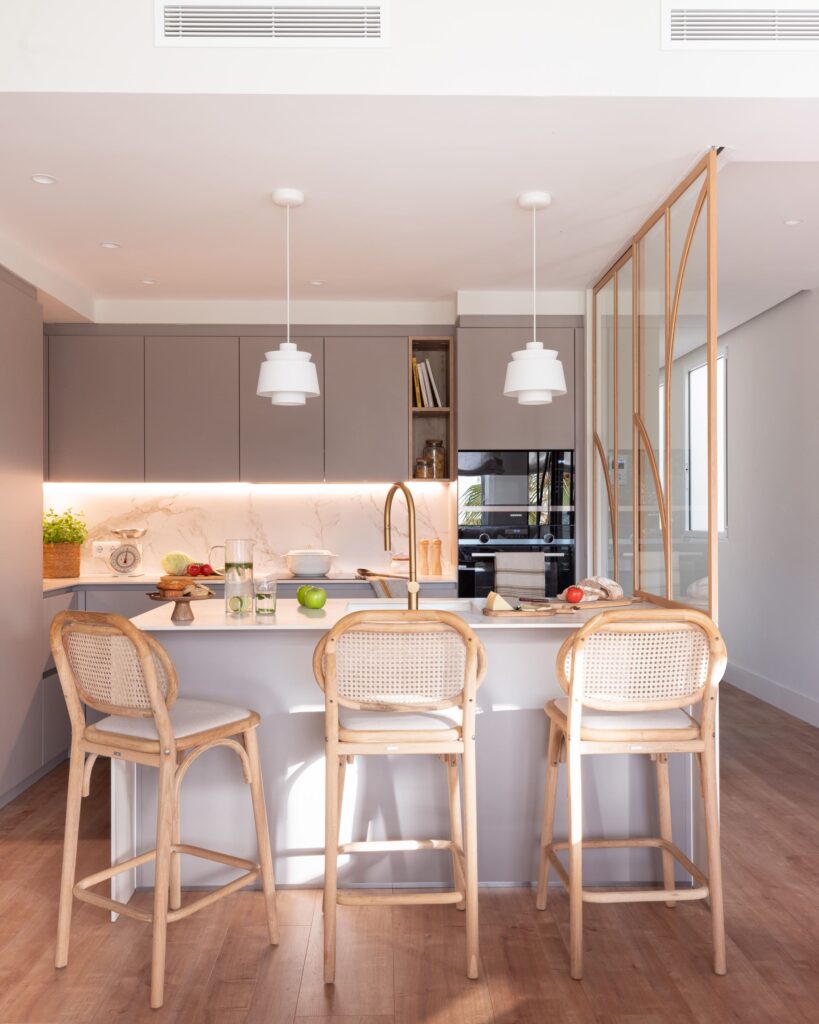
Calm, complex colours are also gaining prominence: greyed greens, washed-out blues, taupe, clay and muted burgundy.
Unlike intense, purely decorative colours, these tones introduce personality without compromising the project’s aesthetic longevity.
Worktops and wall finishes are also taking on a more significant role. Instead of completely uniform white surfaces, we are seeing natural stone, quartzite and porcelain slabs with greater depth, in beige, earth tones and warm greys.
The new luxury is not defined by a colour
Kitchen design is also evolving alongside its growing integration with the living and dining areas.
As the kitchen becomes part of shared living spaces, its cabinetry increasingly adopts the language of interior design: display cabinets, timber modules, concealed appliances, integrated lighting and compositions that appear to form part of the architecture itself.
The kitchen is therefore no longer conceived as an exclusively technical space, but is designed as another room within the home.
That is why the real success lies not in choosing the newest colour, but in creating a coherent, functional kitchen tailored to the people who will use it. A well-considered layout, durable materials, quality hardware, carefully planned lighting and bespoke design carry more weight than any colour trend.
The end of dominance, not of white
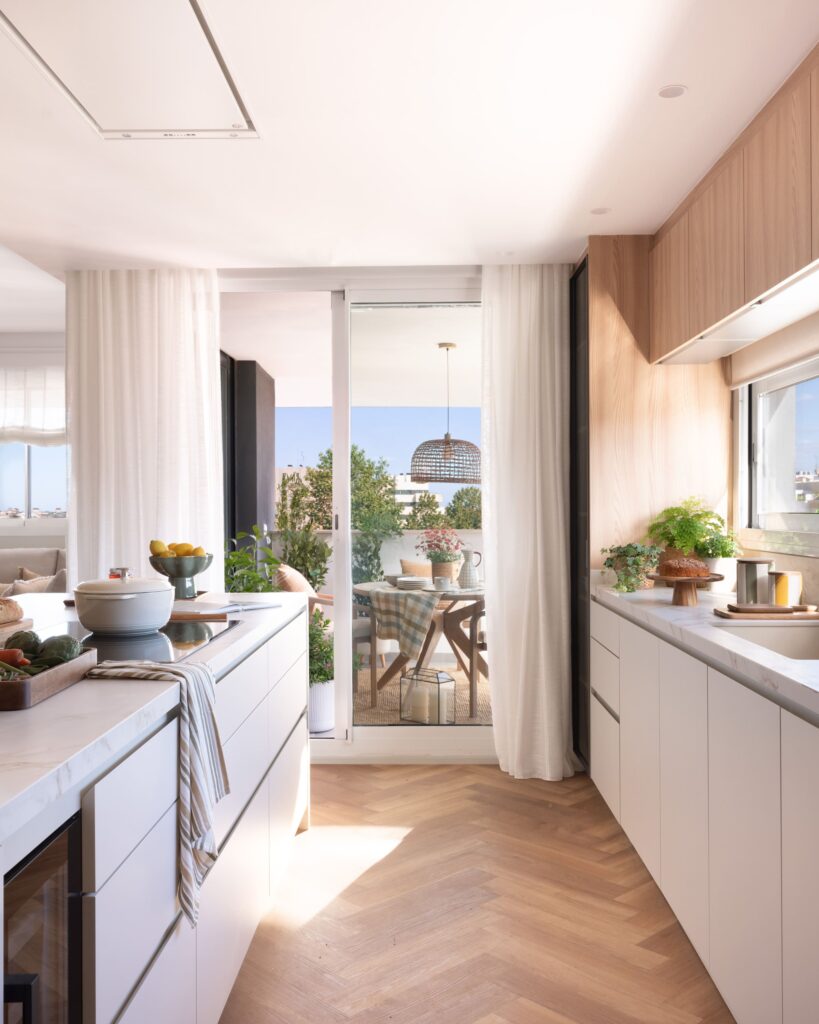
White kitchens will continue to have an important place, but not necessarily as completely monochromatic compositions. White is now combined with wood, stone, texture and muted colours to create warmer, more personal spaces.
We are not witnessing the end of the white kitchen, but the end of its dominance. The safest investment is no longer a particular finish, but a well-designed, balanced kitchen capable of retaining its identity as trends change.